

Edging Tapes
Textile solutions for clean edges and functional finishes
Edging tapes are a key component in industrial textile processing. They influence not only the appearance of a product, but also its function, durability and process reliability in further manufacturing. The appropriate specification always results from the interaction of material, construction and application.
What are edging tapes and where are they used?
Edging tapes are textile tapes used to permanently protect open fabric edges, create clean finishes and provide functional reinforcement. They prevent fraying, increase the durability of the final product and, depending on the construction, fulfil both technical and design-related functions.
Edging tapes are used wherever textile surfaces need to be mechanically reinforced, visually defined or reliably processed in industrial production. Typical fields of application include home textiles, mattresses and toppers, apparel as well as technical and medical textiles.
Edging tapes made from woven fabrics – straight-cut and bias-cut
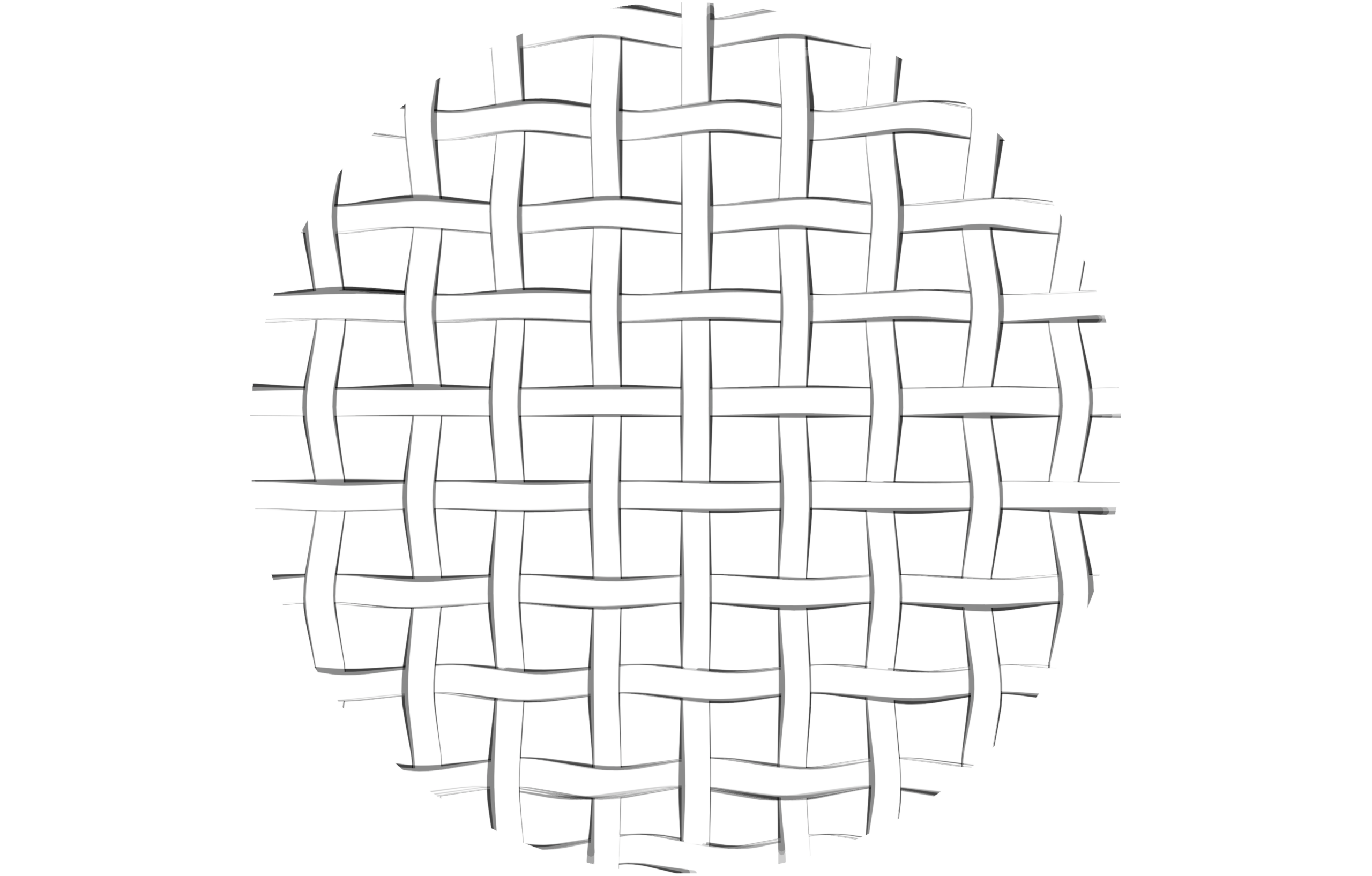
Straight-cut and bias-cut edging tapes are cut from woven fabric constructions. The properties of the tape are directly determined by the yarn orientation (warp and weft) as well as by the cutting method used.
Straight-cut edging tape
Straight-cut edging tapes are cut from woven fabric in such a way that warp and weft run at a 90° or 0° angle to the tape direction. The yarns therefore lie horizontally and vertically in relation to the tape edge.
Properties:
- high dimensional stability
- low to no elasticity
- suitable for straight edges and linear seams
- cost-efficient for uniform geometries
- prone to fraying when cold-cut, unless hot-cut or ultrasonically cut
Straight-cut edging tapes are preferably used where no radii or shaped contours need to be processed and a stable, dimensionally accurate tape is required.
Learn more about the different cutting methods here.
Bias-cut edging tape (diagonally cut)
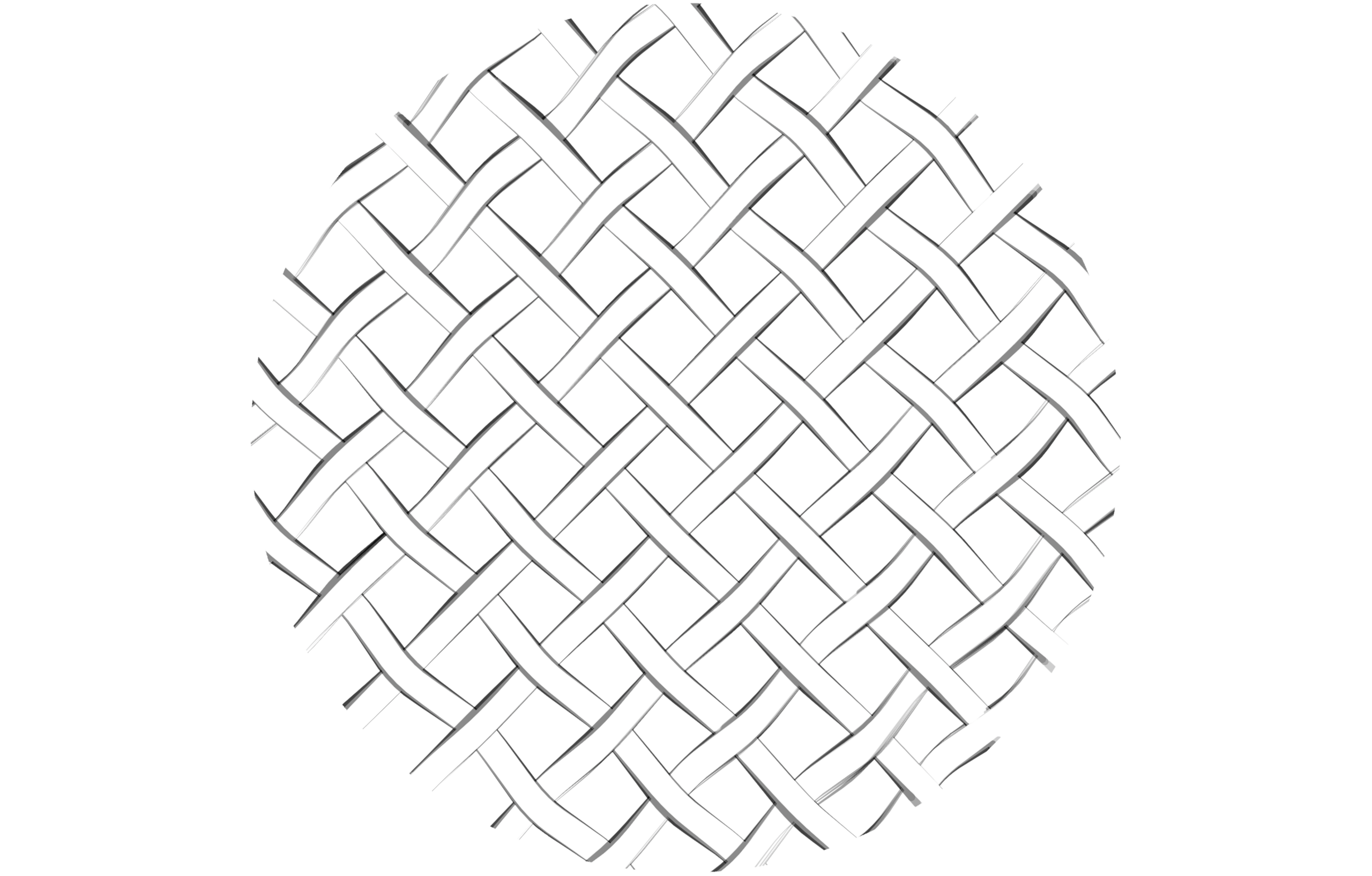
Bias-cut edging tapes are cut diagonally from woven fabric. The yarns run at +45° and −45° to the tape direction.
This diagonal yarn structure causes an originally non-elastic fabric to obtain transverse and longitudinal elasticity. At the same time, it ensures that the tape does not fray at the cut edge due to its construction, even when cold-cut.
Properties:
- high adaptability
- transverse and longitudinal elasticity
- ideal for curves, radii and complex contours
- excellent compensation of material movement
- no fraying due to diagonal yarn orientation
Bias-cut edging tapes enable tension-free and clean edge finishing, especially for round or irregular geometries.
Learn more about bias tapes here.
Edging tapes made from warp-knit and knitted fabrics
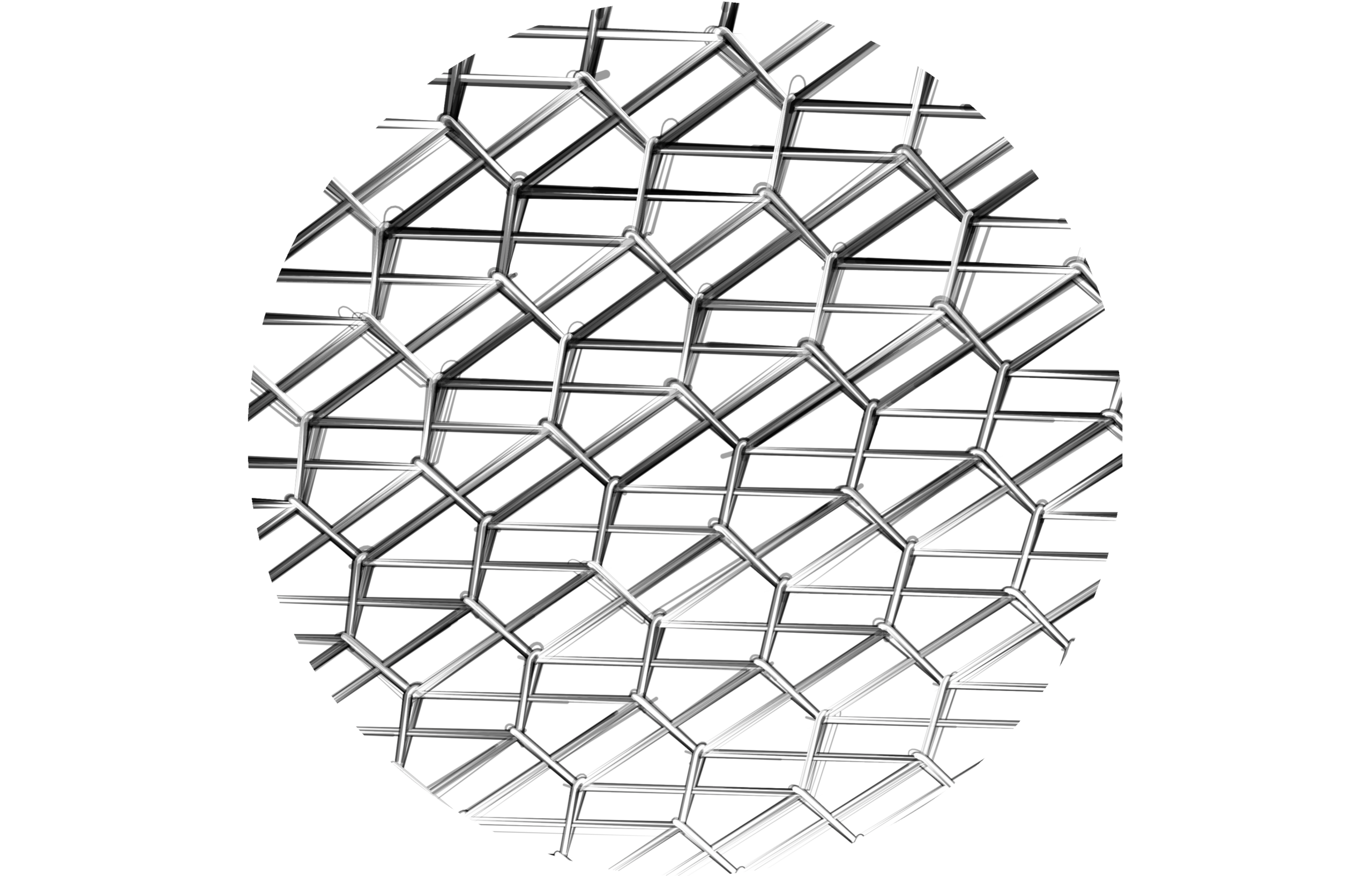
In addition to woven constructions, warp-knit or knitted materials are also used for edging tapes. These fabrics are cut directly into tapes without distinguishing between straight-cut or bias-cut.
Due to their textile construction – knitting or warp knitting – they offer natural elasticity and do not fray or only minimally fray.
Typical properties:
- natural stretch
- high adaptability
- softer handle
- suitable for dynamic or flexible applications
Such edging tapes are used where elasticity, comfort or material movement are key requirements.
Material selection and shrinkage behaviour
Edging tapes can be manufactured from a wide range of materials, including cotton, polyester, polyamide or blended fabrics.
A key aspect in material selection is the shrinkage behaviour of the edging tape in relation to the main material.
In principle, there are two possible approaches:
- Material alignment: Edging tape and product material have similar shrinkage values.
- Constructive compensation: Bias-cut edging tapes or elastic warp-knit constructions actively compensate for differing shrinkage values.
Particularly after washing or under thermal stress, this coordination determines the dimensional stability, appearance and service life of the final product.
Designed for your production process – edging tapes for further processing
An edging tape is always part of an overall production process. Therefore, it is specifically adapted to the customer’s manufacturing setup:
- Tape widths: aligned with seam design and function
- Roll lengths: optimised for machine running times and handling
- Cutting methods: matched to material and product
- Pre-folding / folding: for process acceleration and reproducible processing